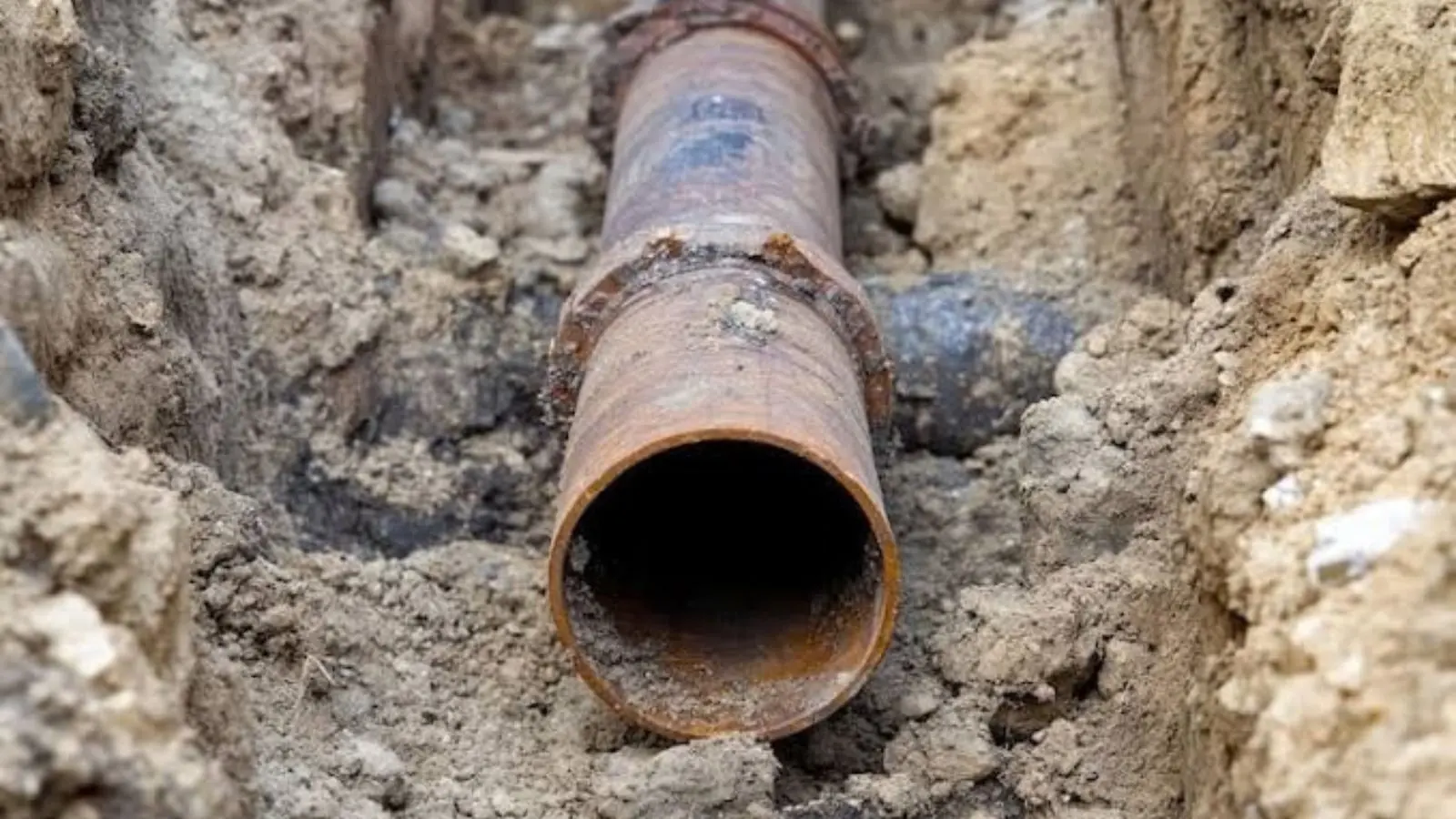
A sewer line that fails is an emergency when sewage backs into the house or a sinkhole opens in the yard. Stop using water, keep everyone away from affected areas and call (385) 488-1892. The line is staffed 24/7 and a plumber can come out the same day or overnight to stabilize the problem and show you what broke.
Cleaning a line that is broken treats the symptom. Sewer line repair fixes the pipe: a spot repair where a section has cracked, relining where the pipe is rough but intact, or replacement when the damage runs the length of the line.
Signs the sewer line needs repair, not another cleaning
Backups after every cleaning
The pipe cleared, then blocked again within weeks. That points to a sag, a crack or a root entry.
A cable stops at the same spot
A cable that cannot pass the same point each time suggests a break or an offset joint.
Soggy or sunken yard
Wet soil over the line or a dip in the lawn can mean a break is leaking waste into the ground.
Sewage smell outdoors
A smell near the cleanout or the yard that comes and goes with water use.
Repair options for a damaged sewer line
| Option | Best when | Trade-offs |
|---|---|---|
| Spot repair (open cut) | One short section is cracked or offset | Digs a trench at the damage, lowest cost for a single break |
| Pipe lining (trenchless) | The pipe is intact but cracked, rough or root-prone along its length | Less digging, not possible if the pipe has collapsed or has a bad sag |
| Pipe bursting (trenchless) | The old pipe must be replaced with minimal digging | Needs entry and exit pits and enough room along the route |
| Full replacement (open cut) | The pipe is failing end to end or the grade is wrong | Most disruption to landscaping and driveways, most durable |
A camera tells you which option your line allows. We do not guess. If the camera finds roots at a joint, a spot repair stops the root path, and if the pipe is sound with only the joint open, an inside repair may do the job. A localized crack with root intrusion is a classic candidate for a spot repair rather than a full dig.
Before anyone digs
What to know about digging in Draper
- Call 811 (Blue Stakes of Utah) before any excavation so buried gas, power, water and communications lines are marked.
- Ask the Draper Building Division at (801) 576-6399 about permits for sewer work on your property.
- Check that your plumber is licensed in Utah. The state license lookup is on the Utah Division of Occupational and Professional Licensing website.
- Ask who owns the pipe. South Valley Sewer District, at (801) 571-1166, can tell you where its main ends.
What to do while you wait for the repair visit
Limit water
Laundry, long showers and dishwasher cycles feed the line that is failing. Use the minimum until the plumber arrives.
Keep the area clear
Fence off any sunken ground and keep children and pets away from wet soil over the line.
Locate the cleanout
The tech will camera from it, so clear a path to it and move stored items.
Save any video or notes
If a previous plumber filmed the line, bring it. It shortens the diagnosis.
Sewage coming up in the yard or house?
Call now. Overnight and same-day dispatch are available.
Utah plumbing rules that touch sewer work
Utah amends the model plumbing code in the State Construction Code, and one of those amendments requires a connection to a public sewer where one is accessible within 300 feet of the property line. The state also licenses plumbers in five classes, from apprentice through master, and you can check a license on the Division of Occupational and Professional Licensing site.
Permit rules vary, so ask the Draper Building Division before work starts. We will walk you through what the camera found and what the work will involve so that you can ask the right questions.
What changes the price of sewer line repair
Homeowner insurance usually treats gradual pipe failure as maintenance, so coverage is limited, and sewer backup is often a separate add-on. Ask your agent before work begins. Want your real number? Call (385) 488-1892.
Sources and standards behind this page
Sewer repair and replacement are governed by the International Plumbing Code (IPC) as amended by the Utah State Construction Code in Utah Code Title 15A, including the requirement to connect to a public sewer within 300 feet. Utah plumber license classes come from the Division of Occupational and Professional Licensing. Excavation locates follow the Blue Stakes of Utah 811 process.
Straight Answers
Yes. Call (385) 488-1892 any hour. We send a plumber to stop the immediate problem, clear the line if we can and camera it so repair options are clear. You hear the price before any repair work begins.
Not always. If the camera shows a pipe that is intact but cracked or rough, lining may avoid a trench. A collapsed pipe or a deep sag usually needs open cut or bursting.
A camera shows root fibers at joints or inside the pipe. Slow drains that worsen over months and a backup that returns after cabling are common signs.
A sag holds water and collects waste, and lining does not remove it. Replacement of that section corrects the grade. The camera shows how long and how deep the sag is.
Often not, unless sudden damage caused it. Gradual failure, roots and age are commonly excluded. Ask your agent for the exact wording and keep any camera video for the claim.
Trenchless methods repair or replace the pipe from inside, with small access pits instead of a continuous trench. They fit certain pipe conditions, and the camera inspection decides whether yours qualifies.